What Does a Roof Inspection Cost? A Homeowner's Guide to Getting the Full Picture
Every homeowner knows the sinking feeling that comes from spotting a water stain on the ceiling or finding a stray shingle in the yard. The first thought is usually about the roof repair cost, but the smartest first step is almost always a professional roof inspection. The question that follows is a fair one: what should a roof inspection cost? The answer is not a single number, because the price depends on the roof, the inspector, and the technology they use. More importantly, the real cost of skipping an inspection can be far higher than the fee you pay upfront.
I have spent years in the field working alongside roofers and building inspectors across Texas, and I have seen the same pattern repeat. A homeowner waits until a leak forces their hand, then pays for emergency repairs that could have been planned and budgeted for. A simple roof inspection cost, paid early, often saves hundreds or even thousands of dollars in hidden damage. The key is knowing what you are paying for and why prices vary so much.
What Is Included in a Standard Inspection?
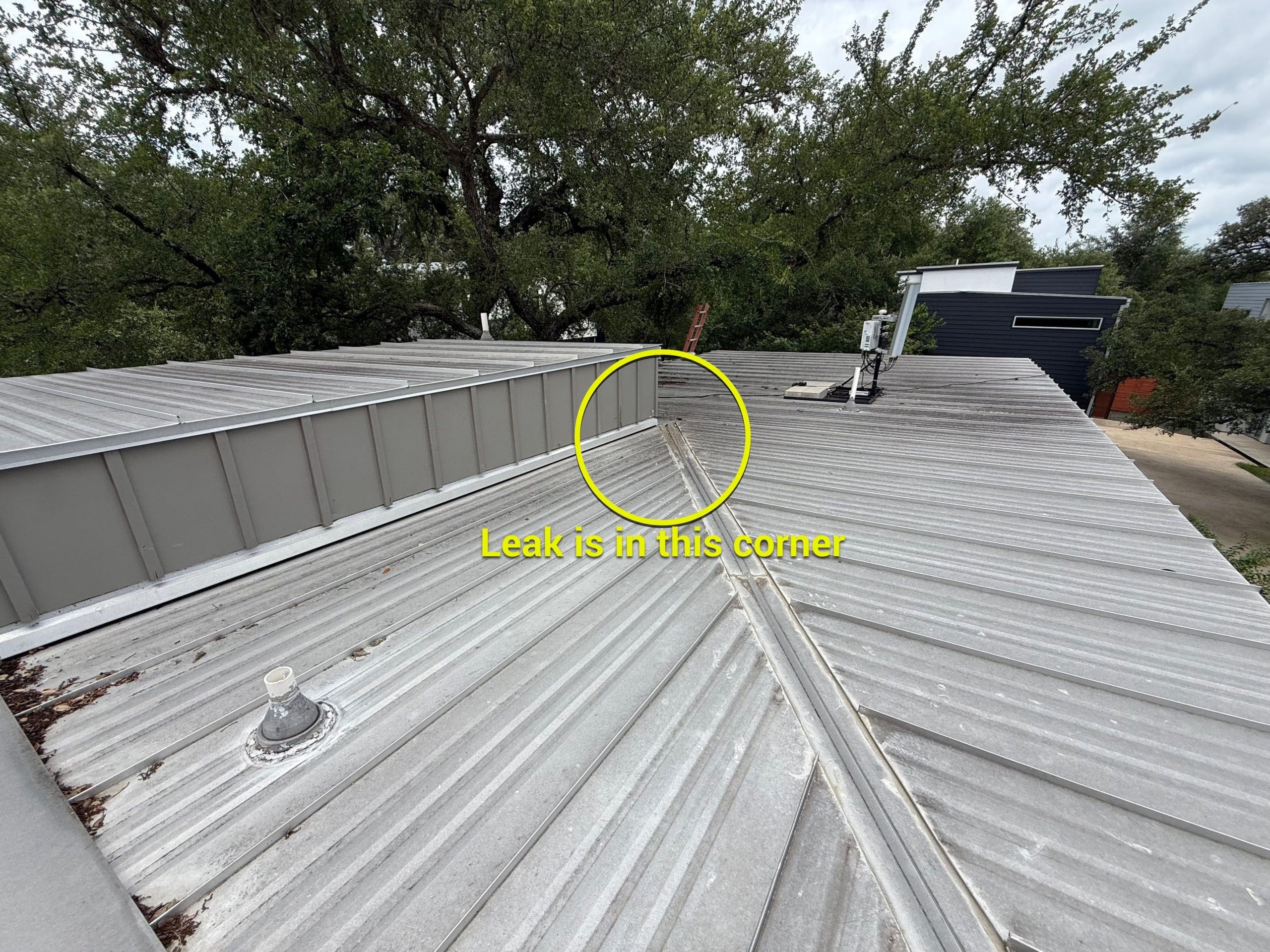
A thorough roof inspection is more than a quick walk around the house. A qualified inspector will examine the roof surface, flashing, vents, gutters, and the attic or interior ceiling for signs of moisture. They look for cracked or missing shingles, rust on standing seam metal panels, blisters on flat roof membranes, and gaps around chimneys or skylights. They also check roof ventilation, because poor airflow can trap heat and moisture, shortening the life of your roof.
The inspector should provide a roofing inspection checklist after the walkthrough, detailing every area examined and any issues found. This document becomes your roadmap for repairs or maintenance. It also helps when you file an insurance claim or request a free estimate from a contractor. A professional inspection will note the roof age, the condition of flashing and seals, and any areas where moss or debris has accumulated, because roof moss removal is a common maintenance issue in humid climates.
Typical Price Ranges and What Drives Them
In my experience, a standard residential roof inspection cost in the Austin area ranges from about $150 to $400 for a typical home. Larger or more complex roofs, such as those with multiple hips and valleys, steep pitches, or flat roof sections, can push that higher. If you need a drone roof inspection for a steep or two-story house, expect to pay a premium, usually between $250 and $500, because the equipment and expertise cost more. A drone can cover a large area quickly and safely, and it often reveals issues that are invisible from the ground.
Another factor is the inspector's qualifications. Some states require an inspector license, and Texas has its own regulations for certain types of inspections, especially when they relate to insurance requirements. A licensed inspector may charge more, but their report carries more weight with insurers and lenders. If you live in a wind-prone area, your insurance company may require a windstorm inspection before they issue or renew a policy. In those cases, the roof inspection cost is a necessary part of securing Texas windstorm insurance, and the report must meet specific standards.
A basic visual inspection from the ground costs the least, often under $100, but it is also the least thorough. It will not catch problems hidden beneath the surface. For a complete picture, you want an inspector who will walk the roof, check the attic, and use tools like a thermal imaging camera to detect moisture trapped inside the deck. Thermal imaging is especially useful for finding leaks in flat roof maintenance scenarios, where water can travel laterally and show up far from the entry point.
Free Estimates vs. Paid Inspections
Many roofing companies offer free estimates, and these are valuable for budgeting a repair or replacement. A free estimate usually includes a visual assessment and a written quote for the work. However, a free estimate is not the same as a comprehensive inspection. The company is looking for problems they can fix, so they may not mention minor issues that do not require their services. A paid inspection, performed by an independent inspector or a contractor who separates the inspection fee from the repair bid, gives you an unbiased report.
I have seen homeowners combine both approaches. They get a free estimate from a roofer they trust, then pay for an independent inspection to verify the findings. The roof inspection cost for that second opinion is usually money well spent, especially when the repair quote is large. If the two reports agree, you move forward with confidence. If they differ, you have leverage to ask questions and negotiate.

Hidden Damage and Insurance Considerations
One of the most overlooked aspects of a roof inspection is the potential for hidden damage. A roof can look fine from the curb while the sheathing underneath is rotting from a slow leak. Once that damage spreads, the roof repair cost multiplies because you are not just replacing shingles, you are replacing decking, insulation, and possibly interior finishes. A thermal imaging camera can spot these moisture pockets before they become emergencies. Some inspectors also offer roof leak detection services that use electronic sensors to trace the exact entry point of a leak.
Your insurance deductible also plays a role in deciding whether to inspect. If your deductible is high, you might choose to pay for minor repairs out of pocket. But if a storm has passed through and you suspect damage, a professional inspection documents the condition before you file a claim. That documentation can prevent disputes with the insurer. In Texas, where hailstorms and high winds are common, an inspection report that references Austin building code standards and notes the condition of materials like asphalt shingles or standing seam metal can strengthen your claim.
How Often Should You Inspect?
Experts recommend a roof inspection at least once a year, and after any major weather event. If your roof is older, say past 15 years for asphalt shingles or 20 years for standing seam metal, consider inspecting twice a year. The roof age directly affects the likelihood of finding issues. An older roof may have brittle shingles, corroded fasteners, or worn-out sealants. Catching those early means you can plan for a replacement rather than being forced into one.
Your roofing materials matter too. A standing seam metal roof has a very different maintenance profile than a flat roof with a membrane. Flat roof maintenance often focuses on drainage and ponding water, while a sloped asphalt shingle roof needs attention to curling, cracking, and granule loss. If you have a roof warranty from a manufacturer like GAF Materials or Owens Corning, the warranty terms may require regular inspections to stay valid. Ignoring that requirement could void your coverage.
What to Look for in an Inspector
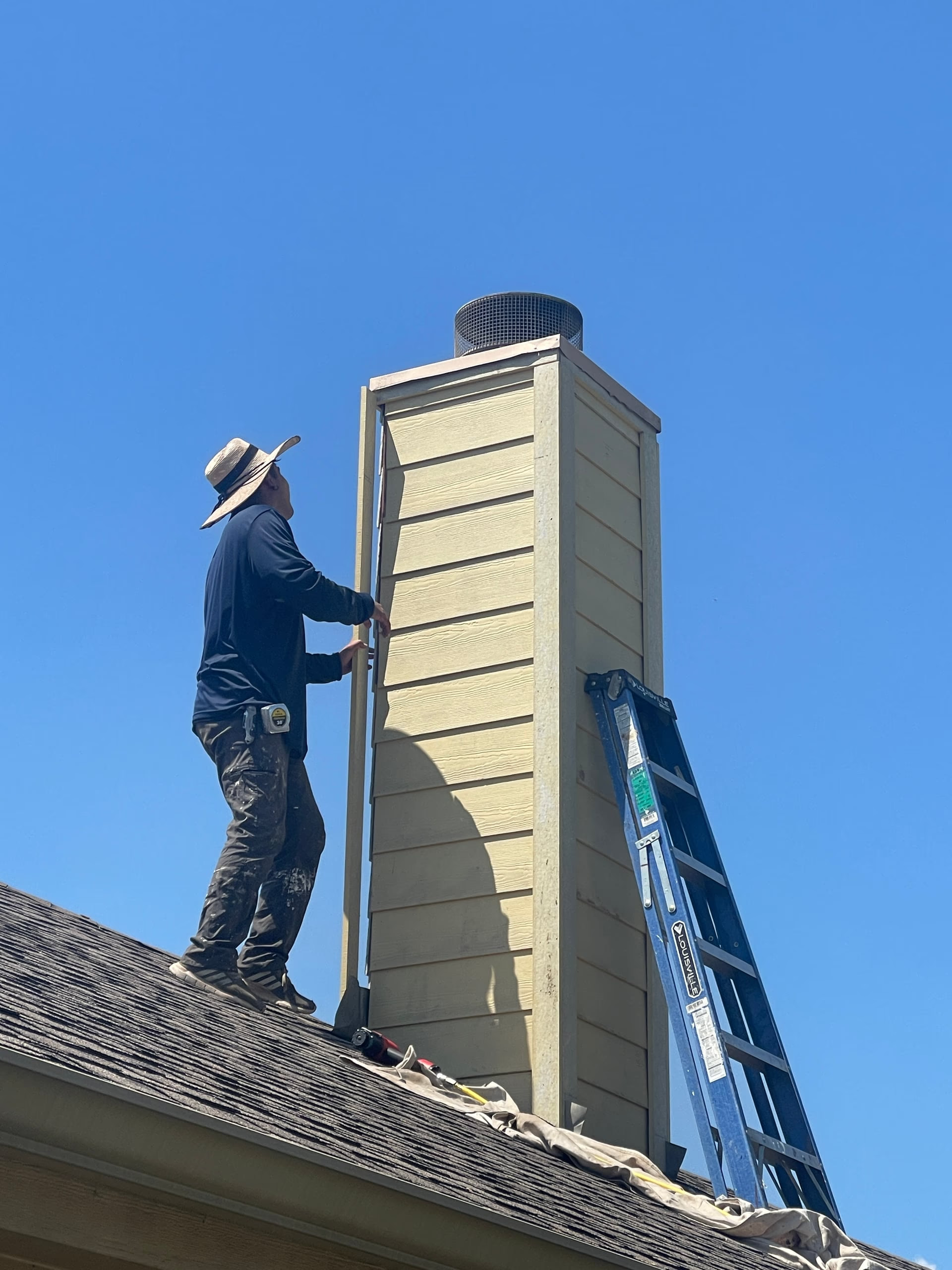
Not all inspectors are equal. Look for someone with experience in your specific roofing system and local climate. They should carry liability insurance and, if required by your area, an inspector license. Ask if they use a thermal imaging camera or drone roof inspection for hard-to-reach areas. A good inspector will walk you through their findings and explain the roofing inspection checklist they use. They should also be familiar with local codes, especially if you live in a municipality that enforces strict building standards like Austin building code.
I always recommend getting at least two quotes for any paid inspection. The roof inspection cost can vary by a hundred dollars or more between inspectors, and the more thorough report is not always the most expensive. Ask what each inspection includes. A basic visual check is not the same as a full assessment with thermal imaging and a written report. Know what you are paying for.
The Bottom Line on Roof Inspection Cost
When you ask about roof inspection cost, remember that it is an investment in your home's longevity and your peace of mind. A few hundred dollars today can prevent a five-figure repair bill tomorrow. Combine a paid inspection with free estimates from reputable contractors, and you have a solid plan for maintaining one of the most important parts of your house. Whether you need to check for hail damage, prepare for a sale, or just want to sleep better during a storm, a professional inspection is the right first step.
Ends · THEROOFINSPECTIONCOSTLIFE